
21. New Year House Cleaning
Where: China
Cost: A lot of time and effort (but it’s worth it)
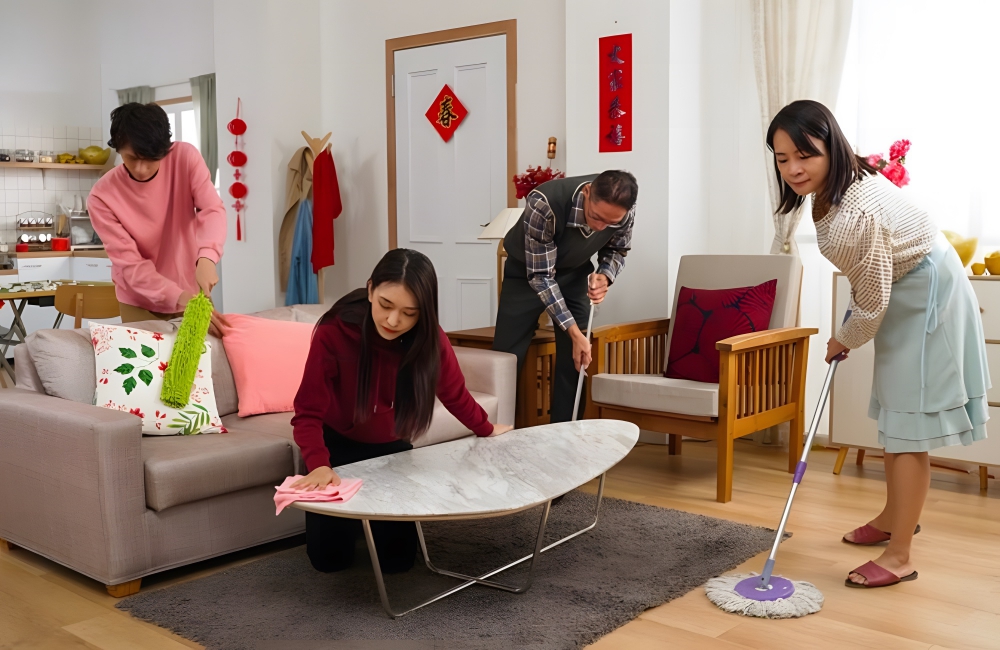
Though cleaning might not seem like a fun holiday event, in China, it’s very important. Traditionally, Chinese families give their homes a thorough, top-to-bottom cleaning in the days that lead up to the Chinese New Year and its celebrations.
New Year House Cleaning @dekoruma/Pinterest
Chinese tradition holds that cleaning whisks away the bad luck of the previous year, preparing the home to receive good luck in the New Year to come. This tradition has been around for centuries, and it is widely celebrated, even by those who might not deem themselves superstitious.
22. Flying Kites On Easter
Where: Bermuda
Cost: $5-$20 to make a kite*
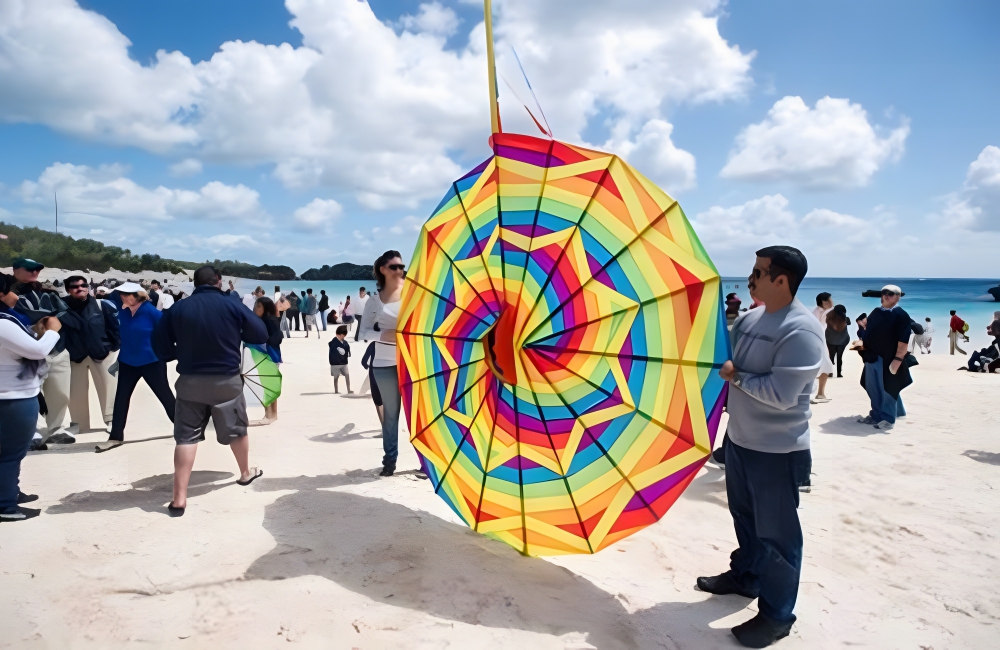
In Bermuda, Easter is a time of celebration (as it is all over the world), and that celebration consists of colorful, homemade kites. This tradition began on Good Friday years ago, when a British teacher who came to Bermuda used a kite to explain how Christ ascended into heaven.
Flying Kites On Easter @Google/Pinterest
Bermuda took that religious lesson to heart, and, every Easter, Bermudian beaches are a place of fluttering, colorful kites. As for what they eat on Easter, the people of Bermuda love their hot cross buns and, more uniquely, salted cod fishcakes.
23. Marzanna
Where: Poland
Cost: N/A
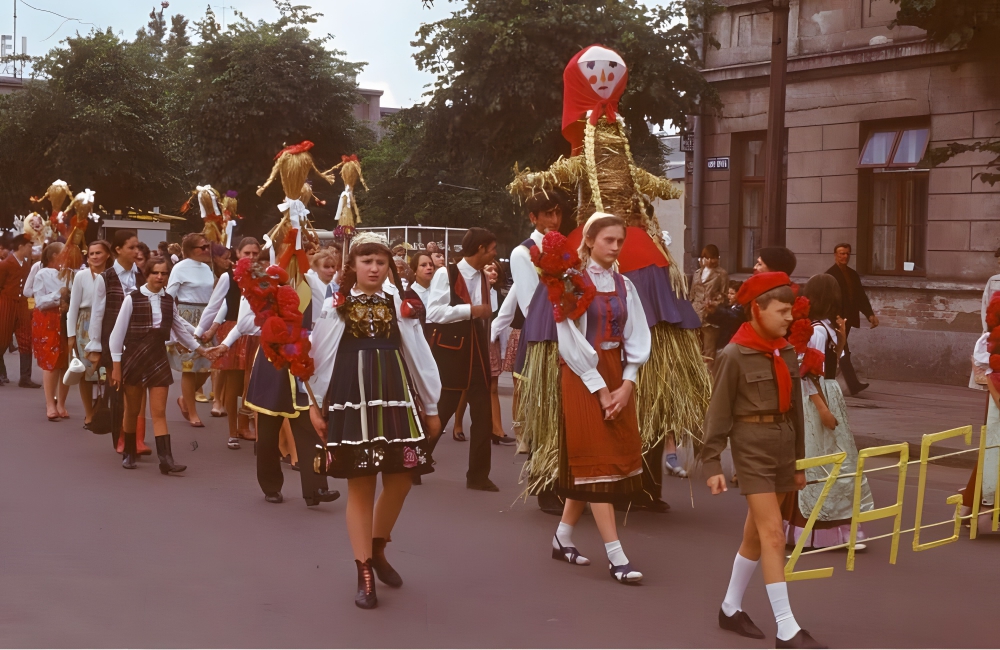
Poland gets hardcore about bringing in spring, and Marzanna is not a tradition for the weak. Marzanna is a Slavic goddess who represents winter, disease, and death. This fearsome figure takes center stage in this Polish springtime tradition.
Marzanna @atlasobscura/Pinterest
Every spring in Polish towns, a Marzanna figure is braided from hay and straw into the shape of a human, and she is then dressed in clothing from local women. The straw goddess is then burned and “drowned” in the river, putting an end to the bringer of death and welcoming Lada/Vesna, the goddess of spring.
24. Herring Under A Fur Coat
Where: Russia
Cost: $10-$20 to make*
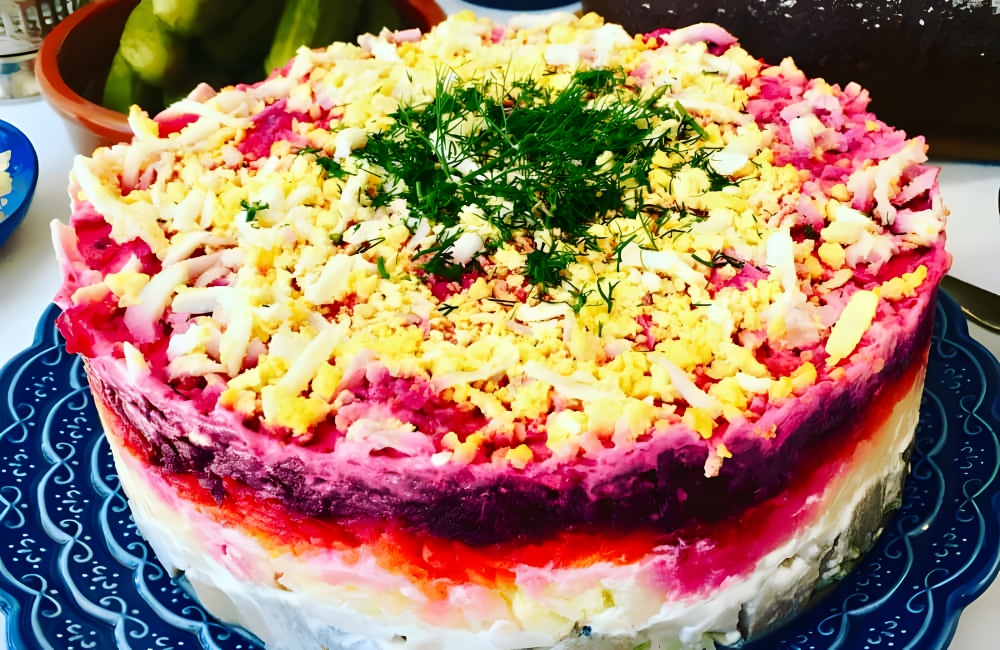
In accordance with Orthodox beliefs, Russians celebrate Christmas on January 7th, and shuba, also called “herring under a fur coat,” is a popular dish served at that time. Its main ingredients are pickled herring, mayonnaise, grated vegetables, and hard-boiled eggs.
Herring Under A Fur Coat @pfoodadventures/Pinterest
The top layer is made from beet dressing or mayonnaise, and it looks like a “fur coat,” hence shuba’s colloquial nickname. Though an unconventional holiday dish, Russians love it, and it is a good source of protein, antioxidants, vitamins, and potassium.
25. Dragon Dances
Where: China
Cost: $388-$688 to book a dragon dance in America*
To celebrate festive celebrations, including Chinese New Year, China often hosts Dragon Dances. These colorful, costumed dances are an important form of traditional performance in the country. In China, the dance is known as longwu or longdeng.
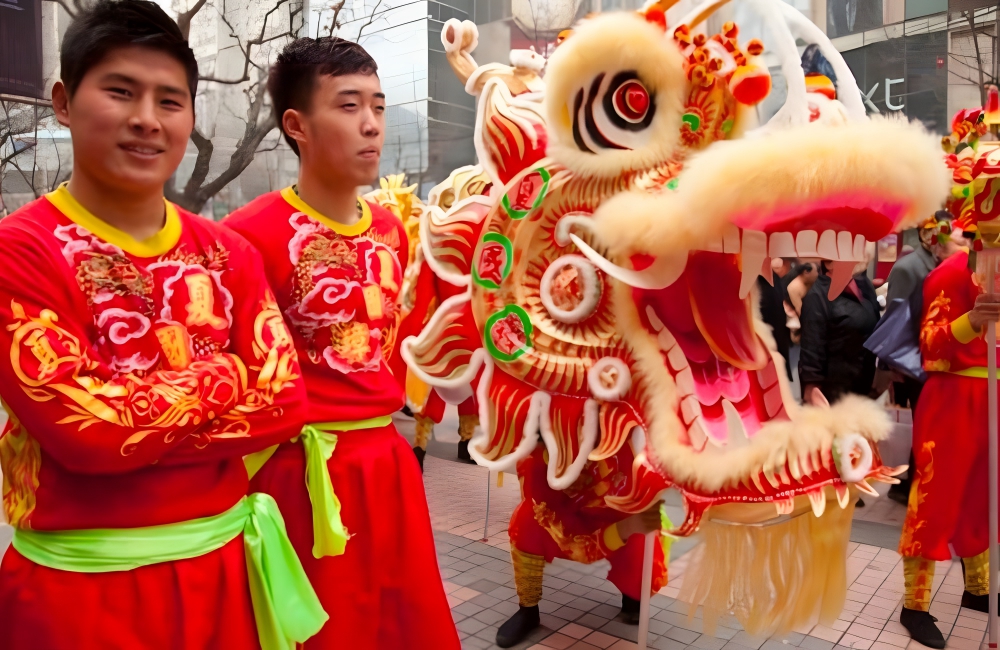
Dragon Dance @thekidshouldsee/Pinterest
The performance involves a troupe of skilled performers using poles to move a beautiful, intricately designed, and colorful dragon prop to make it look as though it is dancing. In China, dragons symbolize not only health, strength, and luck, but also “Yang,” the male counterpart to “Yin.”
26. The Bonnet Parade
Where: U.K.
Cost: $10-$30 to make a bonnet*
This is a longstanding tradition in the U.K. Known as the Bonnet Parade, this symbolizes Easter and the resurrection of Jesus. Every Easter, kids in the U.K. build their own fancy bonnets (sometimes with help from their parents) and wear them to school.
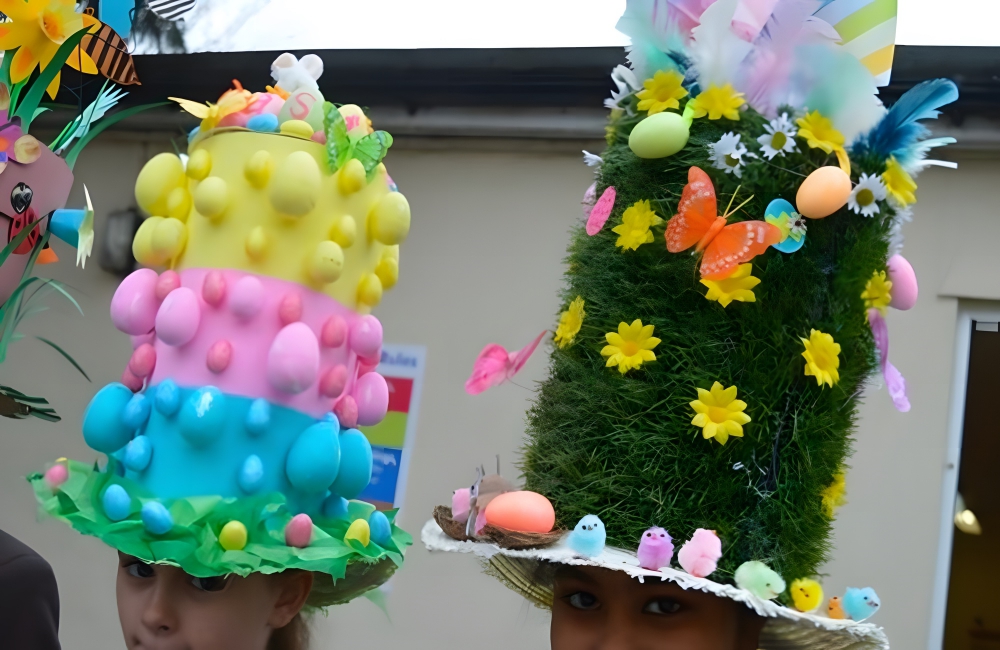
The Bonnet Parade @Google/Pinterest
There are also parades with these hats throughout towns and villages, as well as contests to see who designed the best Easter bonnet. The bonnets aren’t just Christian symbols; they also represent new, colorful beginnings after the gloom and darkness of winter.
27. Black Friday
Where: U.S.
Cost: $9.12 billion in spending in 2022*
This raucous, post-Thanksgiving holiday is known as Black Friday in America. Every year on the Friday after Thanksgiving, millions of people swarm to the stores to take advantage of “Black Friday Sales,” which promote huge discounts on everything from food to flatscreen TVs.
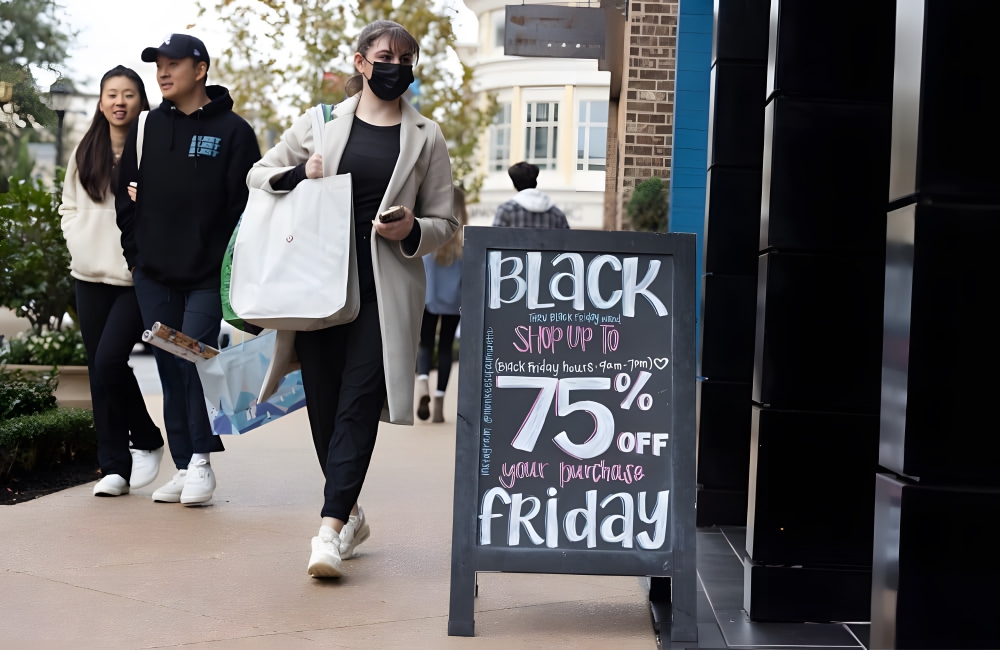
Black Friday ©Jessica McGowan/Getty Images
In 2022, spending on Black Friday reached over $9 billion, both in-person and online. Of course, Black Friday always comes with kooky antics, from people lining up outside Best Buy at 1 A.M. to knock-down, drag-out fights in Walmart.
28. Poetry Games
Where: Norway
Cost: An Easter egg
To celebrate the holiday of love, Valentine’s Day, people in Norway play poetry games with funny, short poems called gaekkebrev. The poems are sent anonymously, with the only clue to the sender’s identity being a small dot representing the letter of his or her name.

Poetry Games ©viki2win/Shutterstock
If the poem’s recipient guesses who sent it, they then earn themselves an Easter egg a few months later on Easter. If they can’t guess it, then the recipient has to give the sender an egg when he or she reveals their identity.
29. Lobster Racing
Where: U.S.
Cost: A lobster
Every year on July 4th, Americans celebrate their patriotic holiday to celebrate the country’s independence from England in 1776. Fireworks, red-white-and-blue, barbecues, and more are common traditions, but some regional celebrations are very unique.
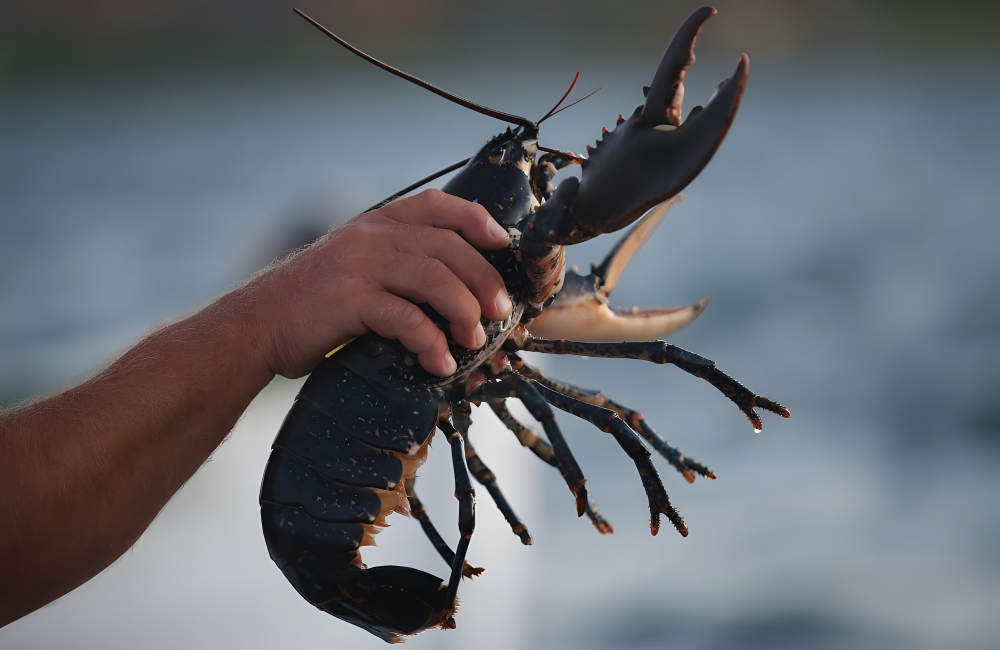
Lobster Racing ©Sean Gallup/Getty Images
In Bar Harbor, Maine, there is a lobster race every year. The race isn’t very fast-paced or thrilling, but guests do get a poached salmon and egg sauce dinner while they watch the crustaceans battle it out in the New England tourist destination.
30. Mass Weddings In The Philippines
Where: Philippines
Cost: $0*
Getting married can be expensive, with weddings in the States costing, on average, $30,000 per couple. Marriage expenses are prohibitive to a lot of people, but the Philippines and its government has come up with a fun solution.
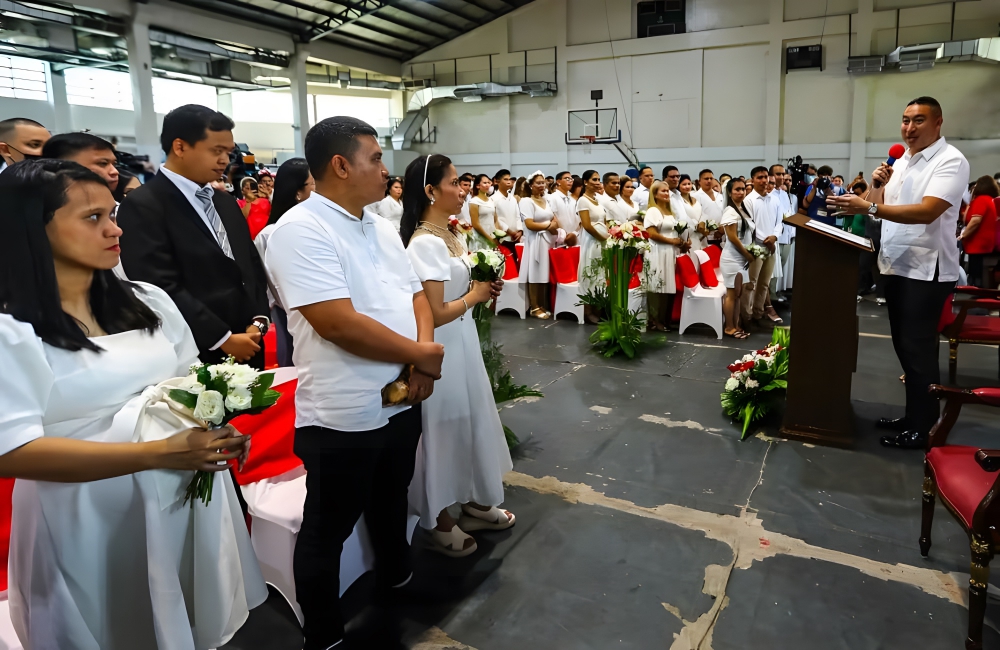
Mass Weddings In The Philippines @rappler/Pinterest
Every Valentine’s Day, couples in the Philippines get married in mass weddings. Hundreds of couples are married throughout provinces and towns at the same time, and costs for celebrations afterwards are often split between guests who want an afterparty.