
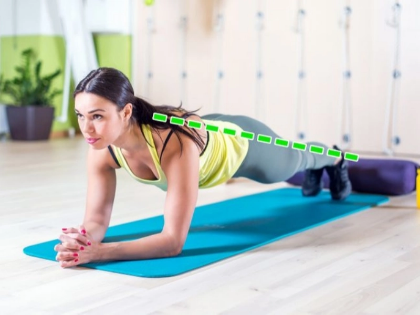
Exercises for the upper body are a terrific way to shape your back, shoulders, and stomach. They can also keep your arms from becoming flabby. Or, if you already have them, assist you in getting rid of them. Additionally, these exercises help you become stronger and facilitate your daily duties.
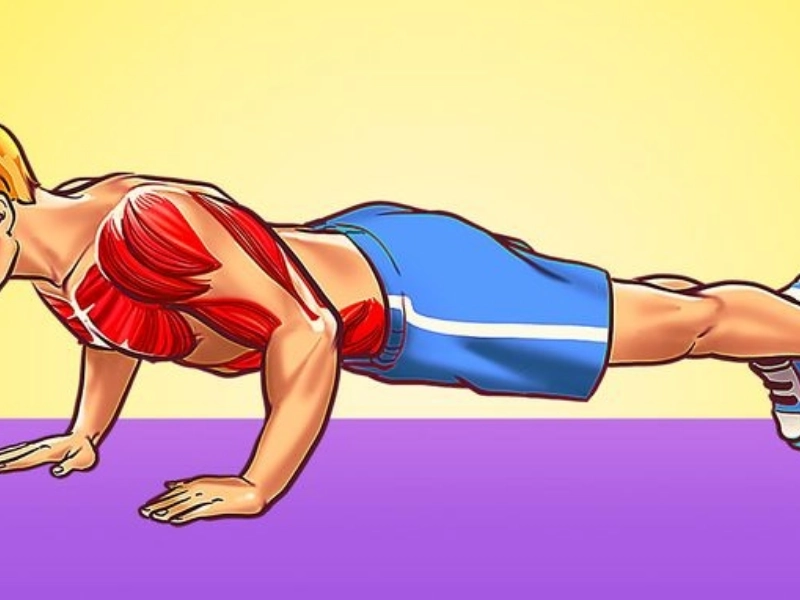
We are all unique, and our objectives may differ greatly. One wants to develop 19-inch arms, while another is concerned about growing into the Hulk. You can use any of the workouts in this post; you simply need to choose the proper routine and quantity of repetitions. Circuit training is a fantastic form of exercise. Choose up to 10 exercises, perform them all for one minute, then immediately go on to the next one. Try to complete as many repetitions as you can without sacrificing your form. After finishing the final exercise, take a minute to relax before resuming the circuit. Make three circuits; each should take 15 to 20 minutes. The ideal exercise for gaining muscle is a superset. One superset is performing two or three exercises consecutively without a break. After a minute’s break, perform another superset. One exercise at a time for full upper-body training is appropriate for any goal; you only need to modify the weight. With a 10-second break between sets and a 30-second break between exercises, repeat each exercise three times. In general, you should use heavier weights and perform fewer repetitions—roughly 6–8—if you want to add mass. Your goal should be 12–15 reps if you want to focus on developing strong and chiselled muscles. Splits are for serious bodybuilders who are accustomed to working out at such a high intensity that they require a separate day for each muscle group to get the benefits. In all honesty, don’t worry if you don’t understand split training; leave it to the pros.
1. Dumbbell punches
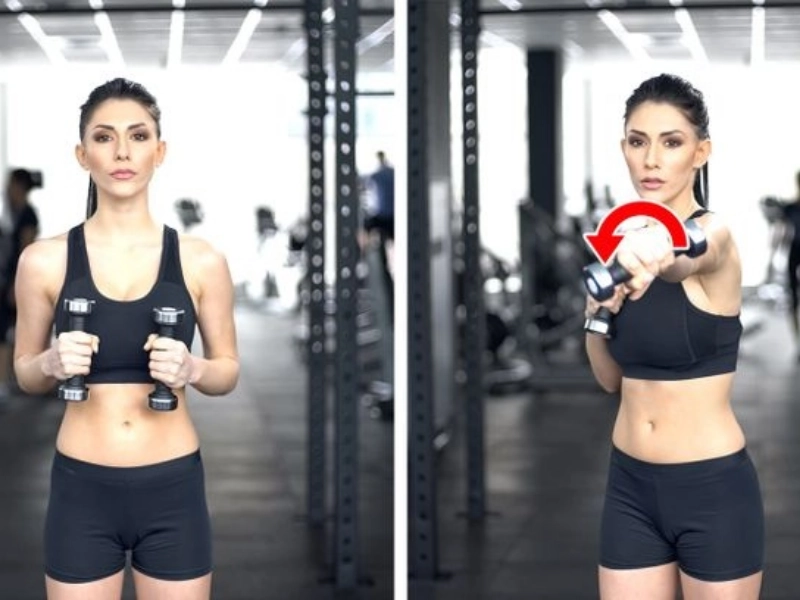
The best way to warm up your arms, shoulders, and back for your training session is with this workout. Hold a dumbbell in each hand and position them at chest level. Alternately, extend one arm forward at shoulder level in the form of a punch, keeping your hands at shoulder level and turning your palms in as you strike.
2. Dumbbell bicep curls
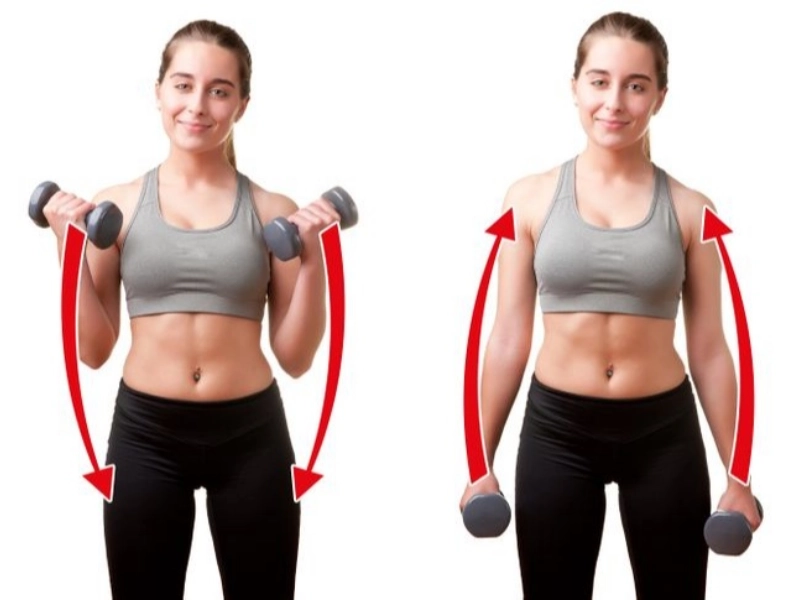
This workout tones your upper back, shoulders, and biceps. Engage your core and pull your shoulder blades back as you stand upright with your feet shoulder-width apart. Hold the dumbbells with the palms of your hands facing inward, one in each hand. The dumbbells should be raised to shoulder height, held there for a brief moment, and then lowered. Keep in mind that your elbows almost never change position; you should keep them tucked and firm at all times. Depending on your preference, you can alternate between doing both hands at once and bicep curls.
3. Dumbbell bench press
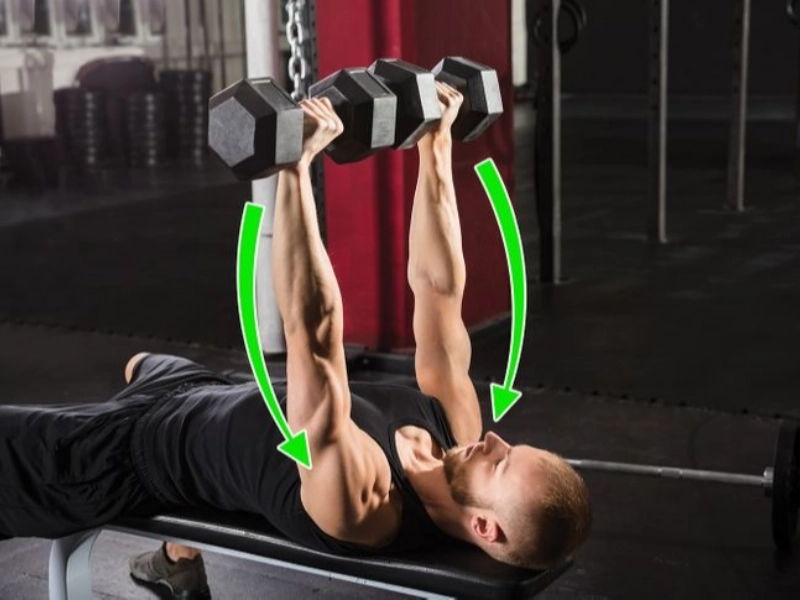
Your entire upper body will benefit from this exercise. It targets the abdomen, shoulders, biceps, and muscles in the chest. Sit on the edge of the flat bench with your feet flat on the floor and your knees bent at a 90-degree angle, about shoulder-width apart. Slowly lean back on the bench while keeping the dumbbells close to your chest with your elbows bent at a 90-degree angle. Lift the weights as steadily as you can, then bring your arms back to the starting position. Note: Change the weight of the dumbbells until you can control the up and down motions while holding them steadily.
4. Bent over lateral raise
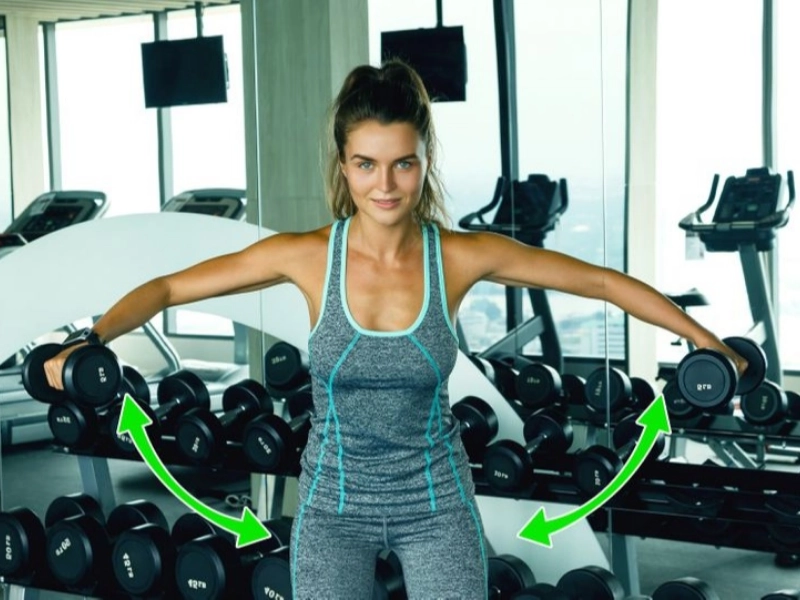
This workout not only strengthens the muscles in your upper back, shoulders, and arms, but it also helps your posture. Start by bending slightly and squatting while maintaining a straight back. Put your arms out in front of you, palms facing each other, and hold a dumbbell in each hand, the elbows slightly bent. Maintaining the arms parallel to the shoulders, raise them up and out to the sides. Bring the arms back to their initial position.
5. Tricep kickbacks
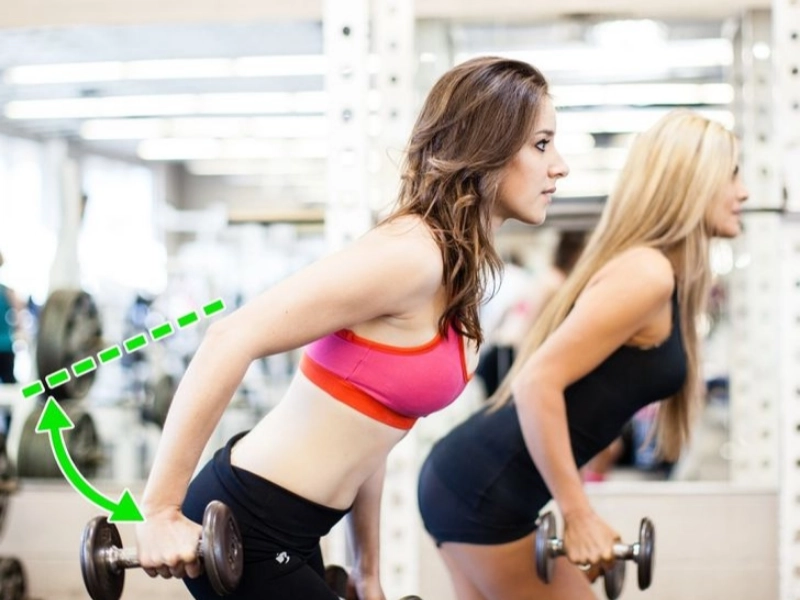
The name of the workout should give you a good idea of what it targets: your triceps. We don’t use our triceps very much in our daily activities, so if you don’t perform any solitary tricep workouts, you could very well be headed for flabby arms. Erect yourself while holding a dumbbell in each hand. bend the knee when you extend your left leg, stooping forward a little; Keep your elbow close to your body and place your right hand at your side with the wrist bent. Place a dumbbell and your other hand on your leg. Straightening the arm, kick back that right dumbbell. Repeat with the other arm, then return to the starting position. Make sure that only your forearm is moving during the workout and that your upper arm stays stationary.
6. Shoulder press
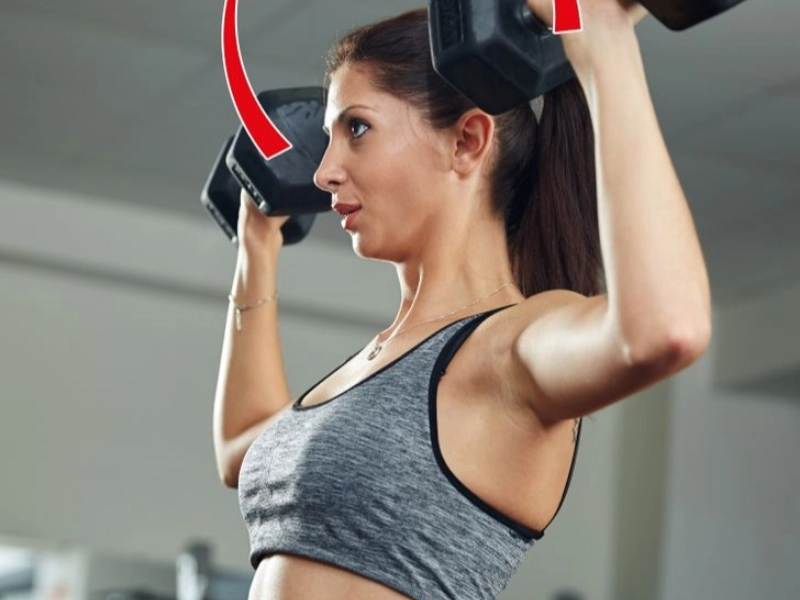
The shoulders and upper back are the focus of this exercise. Start out by standing upright, holding a dumbbell in each hand, and extending your arms with your elbows bent 90 degrees. The floor should be parallel to your arms. Dumbbells should be raised straight overhead and then brought back to the starting position.
7. Upright row
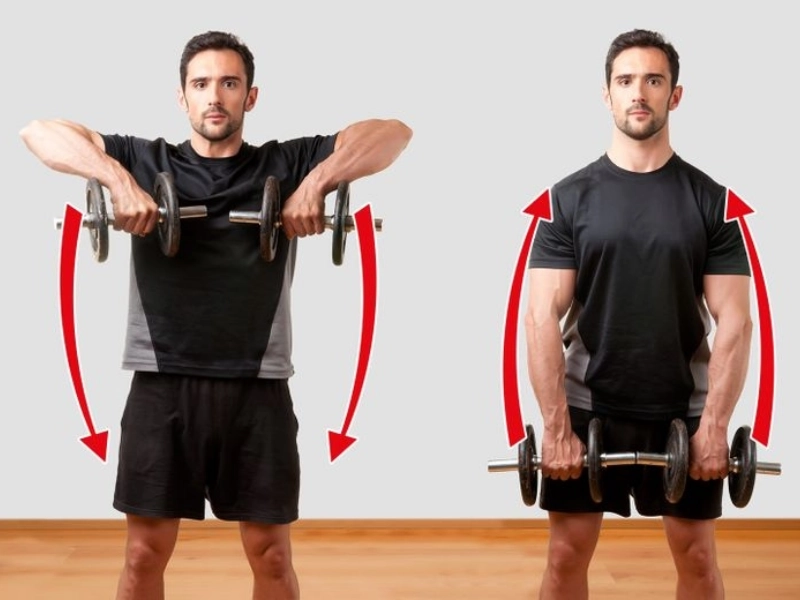
Your upper back, shoulders, and chest will all benefit from this workout. Start by standing straight-backed with your feet hip-width apart, palms facing your legs. Hold a dumbbell in each hand in front of you. Lift the dumbbells up until they are close to your chest and your shoulders and elbows are in a straight line. Go back to your starting position.
8. Twist
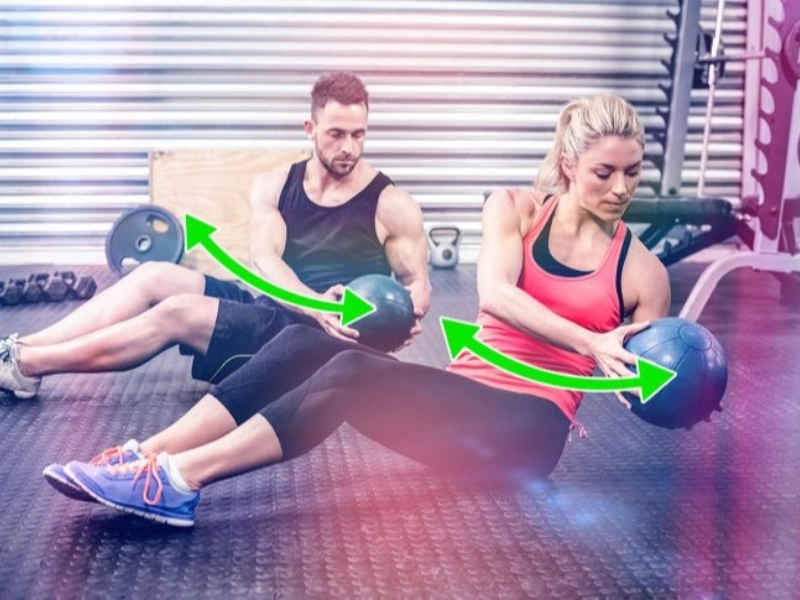
The whole upper body is worked during this exercise. As you sit up straight, slightly incline your back and bend your knees. Hold a medicine ball in the middle, close to your chest. Twist to the left while bringing the medicine ball over there. Repeat on the right side before coming back to the centre. A medicine ball, a kettlebell, a dumbbell, or no weight at all are all acceptable options. Lift your legs off the ground during the twist if you want to make it more difficult.
9. Push-up
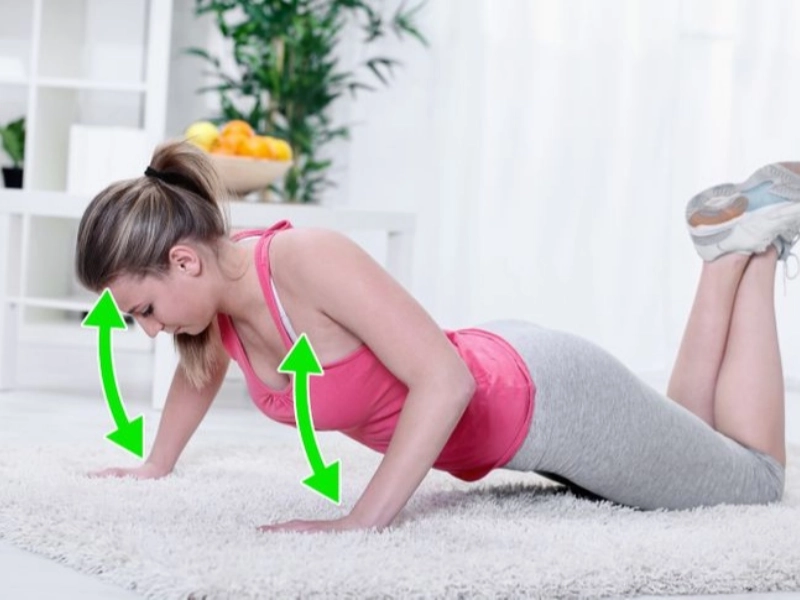
Depending on where you hold your hands during a pushup, various muscles may be worked. You will be working on your back and shoulders if your arms are shoulder-width apart. You will be working your triceps with the narrower push-ups since your hands will be closer together. Beginning in a high plank position, bend your elbows and lower yourself while maintaining a straight line with your body. Depending on your strength, you can perform push-ups on your knees or toes. As long as you continue to track your development under the same conditions, you may determine your total improvement by counting how many push-ups you can complete. You can opt to perform them at the end of the workout or on their own. But remember that quantity should never come at the expense of quality. For monitoring, let’s use this scale, although you may always use your own as this is quite individualised: Level 1, beginner, consists of 1 to 5 pushups; Level 2, intermediate, 6 to 10, Level 3, advanced, 11 to 20, and Level 4, expert, more than 20.
10. Plank
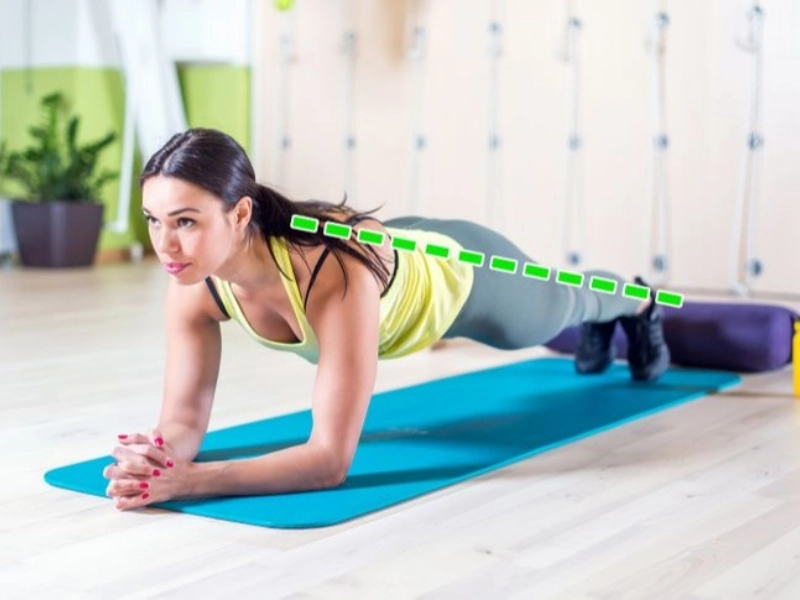
Everyone enjoys planking. Along with strengthening your core, this workout also strengthens your arms and shoulders. Actually, it benefits every muscle in your body. You can always find the planking technique that works best for you because there are many different variations.
 zw
zw