
81. Honda Z Coupe
Cost: $6,000-$15,000*
Year Made: 1970-1974
The Honda Z Coupe was introduced in the early ’70s and it was truly a standout in the compact car market. With a design similar to the Mini Cooper, it had the engine placed in the rear which was unusual for most cars of its time. The Z Coupe was also distinctive for its air-cooled two-cylinder engine, providing a unique driving experience and highlighting Honda’s innovative approach towards car manufacturing.
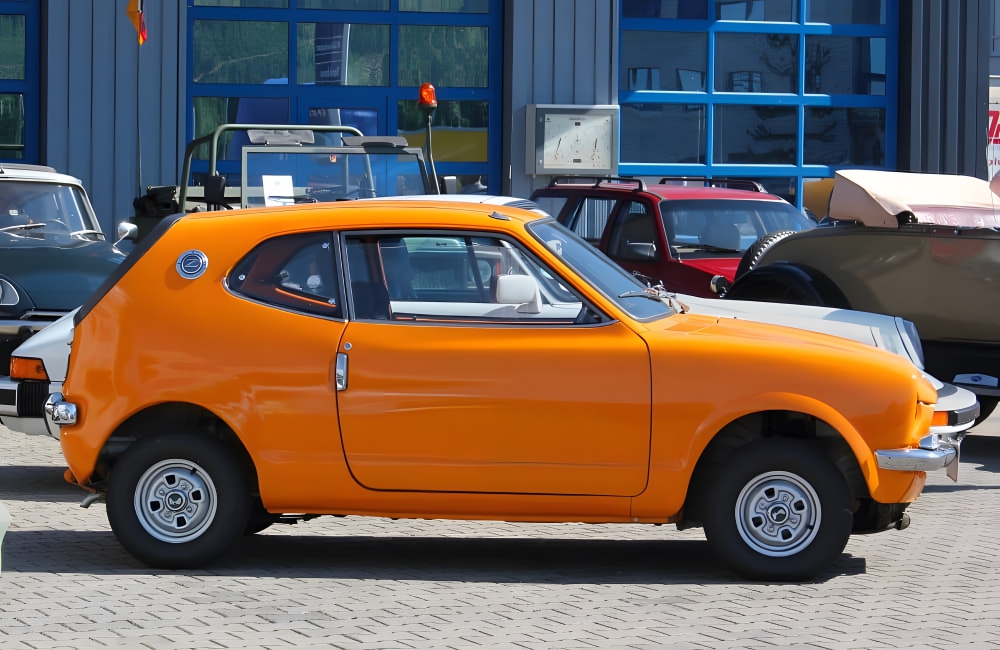
Honda Z Coupe ©Lothar Spurzem/Wikimedia
However, the Honda Z Coupe never gained widespread popularity, despite its intriguing design and engineering. Some attribute this to the fact that the car was perhaps too unconventional for its time, as it did not adhere to traditional car design norms.
82. Daihatsu Terios Kid
Cost: $3,000-$8,000*
Year Made: 1998-2012
The Daihatsu Terios Kid offered an unusual blend of compact dimensions and rugged SUV capabilities, making it a distinctive entry in Japan’s “kei” car category. With its raised ride height, four-wheel drive, and boxy design, the Terios Kid was designed to provide the ruggedness of an SUV in a package that was suitable for city driving. Despite its small stature, it was able to offer considerable interior space thanks to its efficient design.
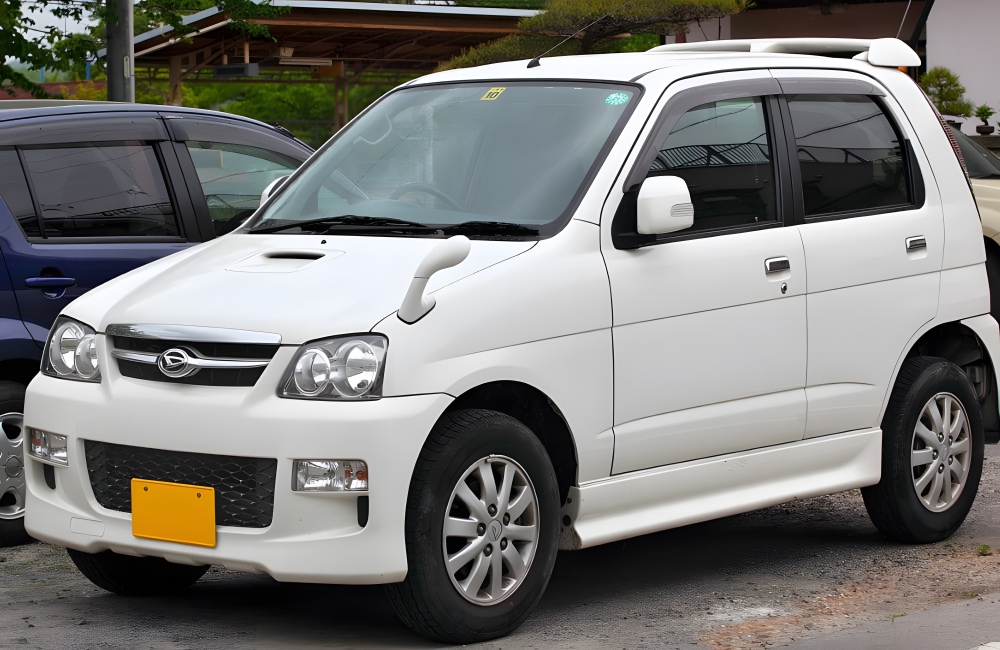
Daihatsu Terios Kid ©Tennen-Gas/Wikimedia
However, the Daihatsu Terios Kid’s blend of SUV traits and small dimensions didn’t always resonate with global audiences. Outside of Japan, where small cars are not as prevalent, it struggled to gain traction, as customers often favored larger, more traditional SUVs.
83. Honda Beat
Cost: $5,000-$10,000*
Year Made: 1991-1996
Unveiled in 1991, the Honda Beat was a compelling entry into the “kei” car segment in Japan. Designed by the legendary Pininfarina, the Beat was a rear mid-engined, rear-wheel-drive roadster, a configuration uncommon for cars in its class. Its compact size, nimble handling, and open-top design made it a joy to drive, emphasizing fun and freedom over sheer speed. Despite its small 656cc engine, the Beat’s lightweight construction allowed for spirited performance.
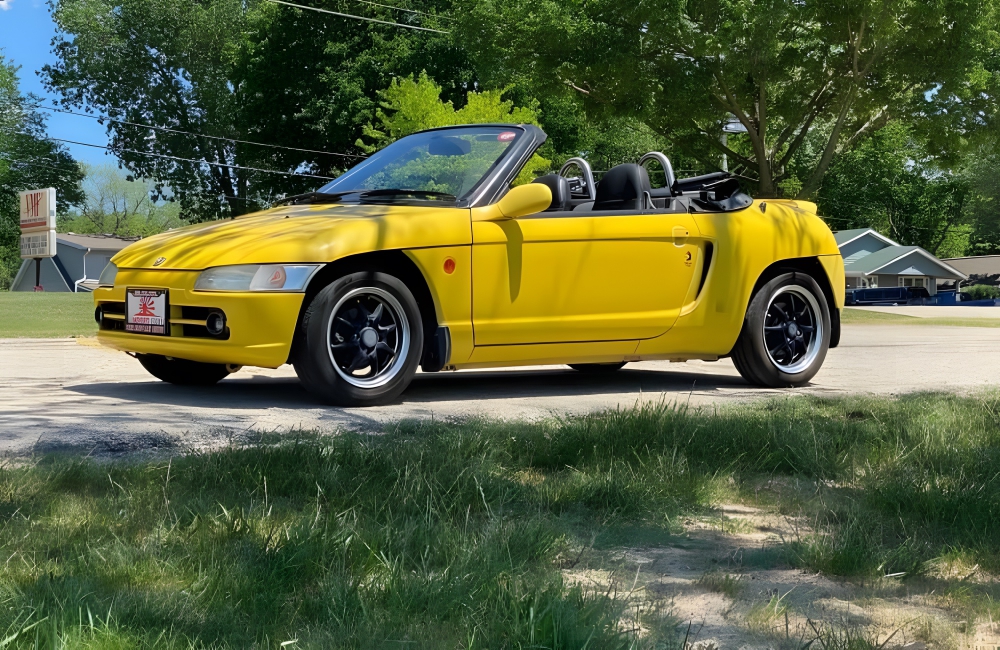
Honda Beat @Strat0s/Youtube
It was primarily sold in Japan, where “kei” cars enjoy tax and insurance benefits. Though never officially sold elsewhere, it has gained a cult following in various parts of the world due to importation.
84. Toyota Mega Cruiser
Cost: $20,000-$40,000*
Year Made: 1995-2002
Bearing the robust aesthetics of a military vehicle, the Toyota Mega Cruiser stood out boldly in the crowd of civilian vehicles when it was unveiled in 1995. Its sheer size was something to behold, and the fact that it was the largest 4WD vehicle ever produced by Toyota added to its novelty. Nestled within its rugged body was a 4.1-liter turbodiesel engine, revealing that the Mega Cruiser was not just about looks but performance as well. With features such as four-wheel steering, this behemoth offered a surprising level of manoeuvrability despite its girth.
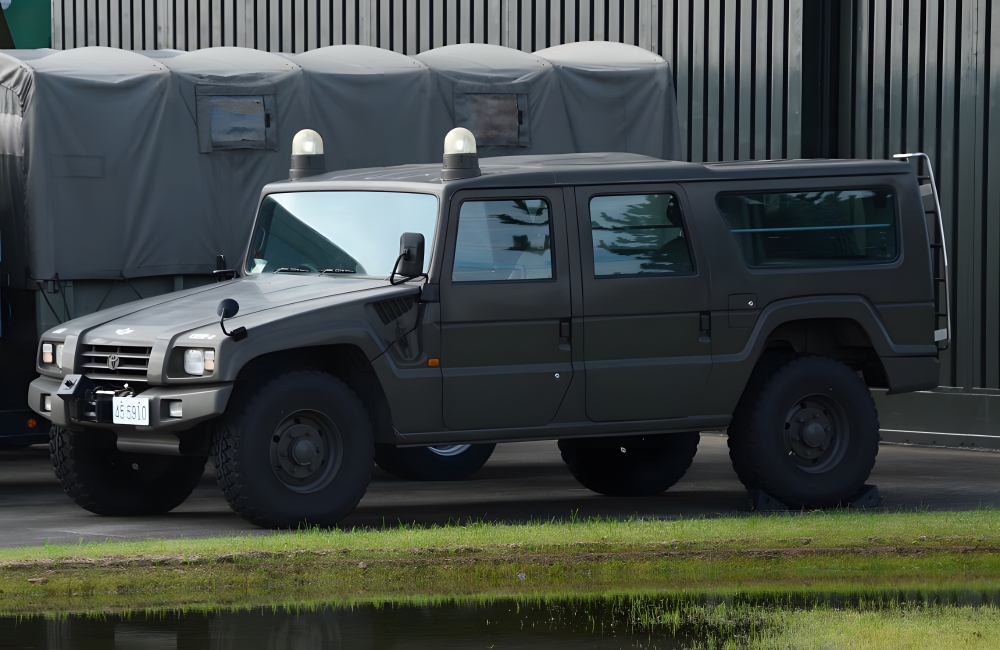
Toyota Mega Cruiser ©Hunini/Wikimedia
While the Toyota Mega Cruiser was a showstopper on the road, it was not particularly popular among general consumers. The reasons ranged from its hefty price tag to the vehicle’s imposing dimensions that made it impractical for everyday urban use.
85. Subaru SVX
Cost: $7,000-$15,000*
Year Made: 1992-1996
The Subaru SVX presented an intriguing blend of performance and style, a testament to Subaru’s ambition to conquer the luxury sports coupe market. Penned by famed designer Giorgetto Giugiaro, the SVX flaunted a futuristic aesthetic, with its hallmark feature being the unconventional window-within-a-window design. Powered by a robust flat-six engine and equipped with Subaru’s symmetrical all-wheel drive, the SVX was a performance powerhouse, delivering thrilling rides.
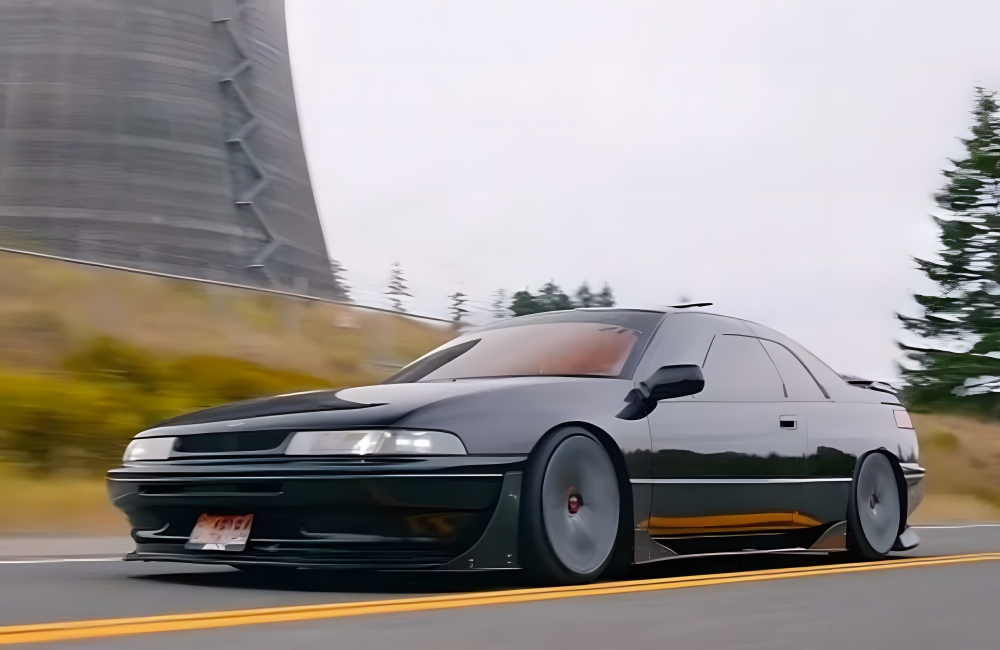
Subaru SVX @autoevolution/Pinterest
But the story of the Subaru SVX isn’t one of universal success. Its high cost compared to other Subaru models, coupled with the fact that the sports coupe market was fiercely competitive during its release, contributed to its modest sales figures.
86. Suzuki Every JoyPop
Cost: $7,000-$15,000*
Year Made: 1996-1999
The Suzuki Every JoyPop is the epitome of clever utilization of space, underscoring the charm and functionality of compact vehicles. Debuted in 1996, this van might seem tiny on the outside, but it’s roomy interiors beg to differ. Adorned with a playful two-tone color scheme, it could almost pass for a toy car, if not for the fact that it was capable of real-world, practical use.
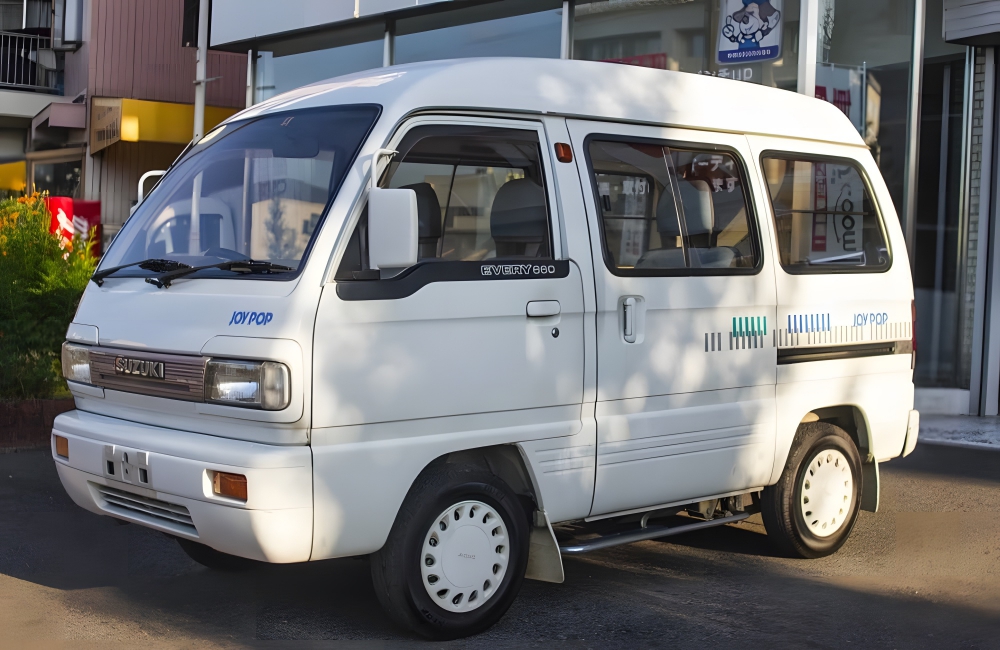
Suzuki Every JoyPop @AmaMotor/Youtube
Navigating congested city roads or fitting into tight parking spots was a breeze with the Every JoyPop. Despite the vehicle’s diminutive footprint, its high roof design ensured a spacious interior capable of accommodating multiple passengers or cargo with ease. In essence, the Suzuki Every JoyPop encapsulated Japan’s knack for integrating maximum efficiency into minimal space, proving that bigger isn’t always better when it comes to functional, everyday vehicles.
87. Mitsuoka Galue
Cost: $20,000-$50,000*
Year Made: 1996-Present
The Mitsuoka Galue takes a different path from the usual Japanese automobile production. A product of Mitsuoka Motors, known for its uniquely styled vehicles, the Galue presents an interesting amalgamation of Eastern engineering and classic Western design.
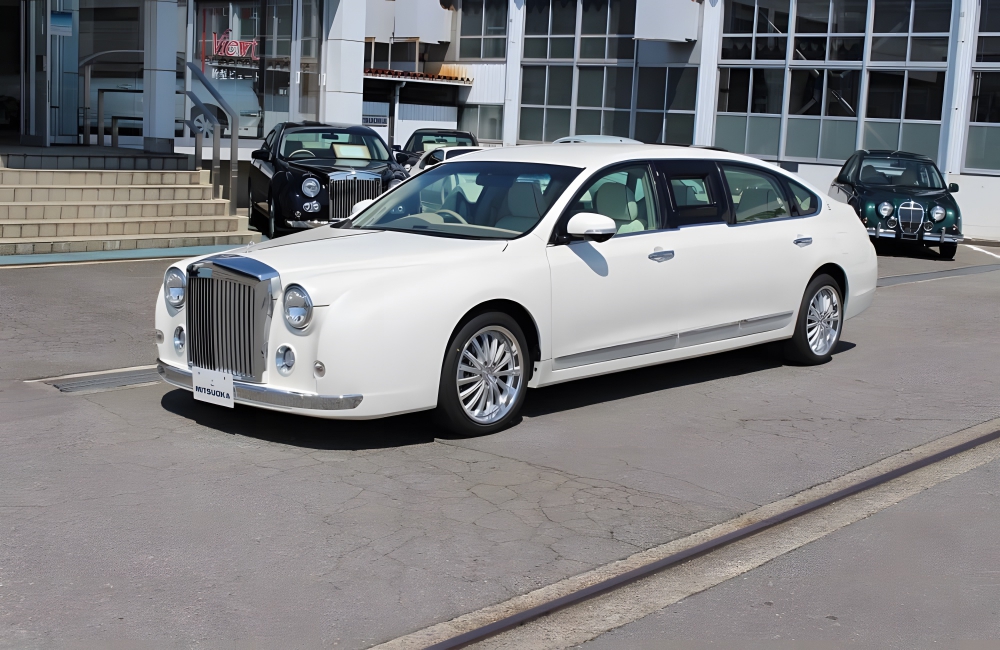
Mitsuoka Galue @Google/Pinterest
At first glance, the Mitsuoka Galue strikes with its distinctive design cues reminiscent of vintage British luxury cars, particularly Rolls-Royce and Bentley models. Despite its exterior, under the hood, it is fundamentally a Japanese car, often based on reliable and well-tested platforms from mainstream manufacturers like Nissan and Toyota. Yet, its sales are niche, possibly due to the incongruity between its old-world charm and the modern tastes of the global car market.
88. Nissan Be-1
Cost: $3,000-$7,000*
Year Made: 1987-1988
Unveiled in 1987, the Nissan Be-1 deviated from the sleek, modern aesthetics popular at the time and embraced a retro-inspired design. Its rounded silhouette, cheerful front grille, and overall compact dimensions lend it a charming, almost toy-like appearance that distinguishes it from other cars on the road.
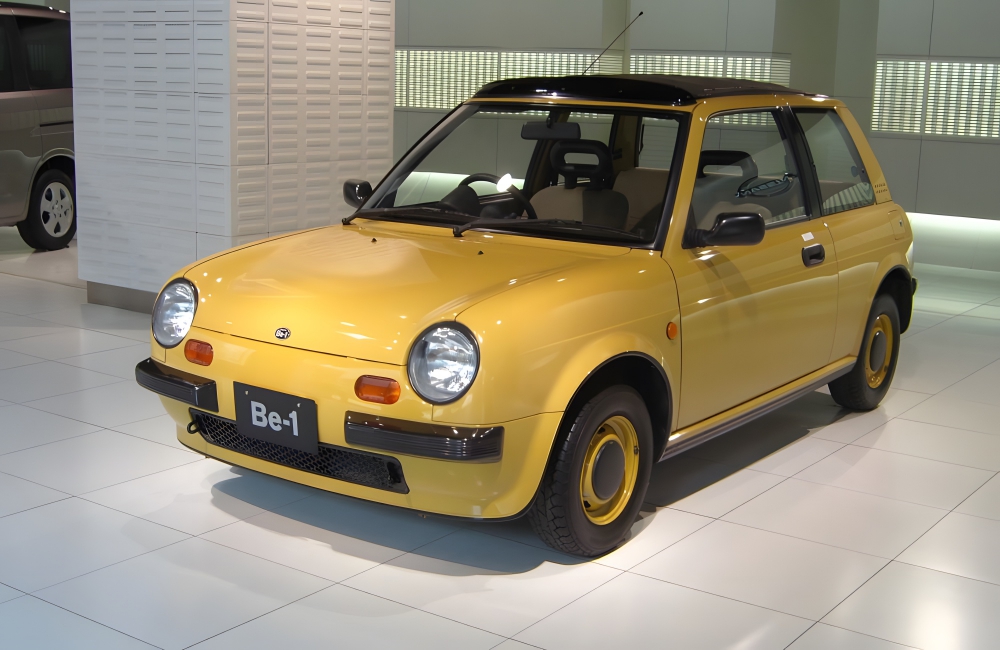
Nissan Be-1 ©Mi-ta’smetro/Wikimedia
Underneath its playful exterior, the Be-1 incorporates Nissan’s well-regarded engineering. It offered a comfortable ride and respectable fuel efficiency, making it a practical choice for city dwellers. However, its quirky design didn’t appeal to everyone’s taste, which combined with limited production numbers, resulted in it being somewhat of a rarity. Today, the Nissan Be-1 is often viewed with a sense of nostalgia, representing a unique phase in Japanese automotive design that dared to defy trends and celebrate the unconventional.
89. Isuzu 117 Coupe
Cost: $10,000-$25,000*
Year Made: 1968-1981
A leap from Isuzu’s usual lineup of sturdy commercial and utility vehicles, the 117 Coupe is a stylish testament to the company’s capabilities beyond the utilitarian. Launched in 1968, this elegant sports coupe, with its sleek lines and refined silhouette, was designed by the renowned Italian designer, Giorgetto Giugiaro, making it one of the earliest Japanese cars to be styled by an Italian design house.
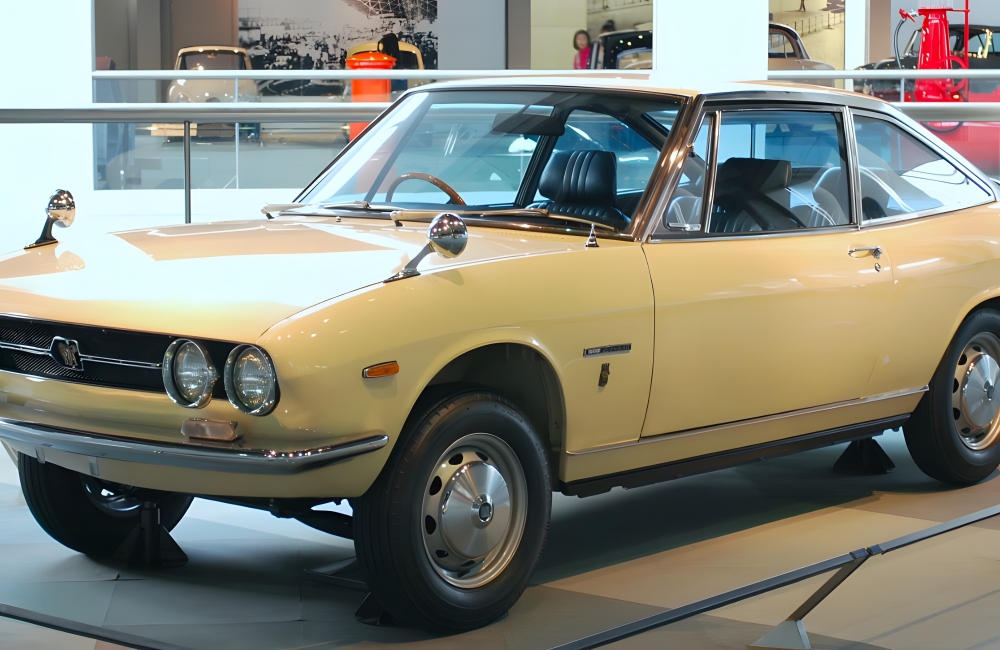
Isuzu 117 Coupe ©Mytho88/Wikimedia
Inside the handsome exterior, the Isuzu 117 Coupe packed a punch with a range of robust engines over its production life, from a 1.6-litre petrol engine to a 2.0-litre diesel. Though it might not have been a sales blockbuster, this car left a lasting impression in the annals of Japanese automotive history.
90. Mazda Carol
Cost: $8,000-$12,000*
Year Made: 1962-Present
The Mazda Carol holds a special place in Mazda’s long and varied automotive history. Launched in 1962, the Carol has been a persistent name in the “kei” car segment, a category of small vehicles designed specifically to comply with Japan’s vehicle tax and insurance regulations. Throughout its various generations, the Carol has adapted to changing market demands and technologies, yet its core ethos of offering compact, efficient transportation remains unaltered.
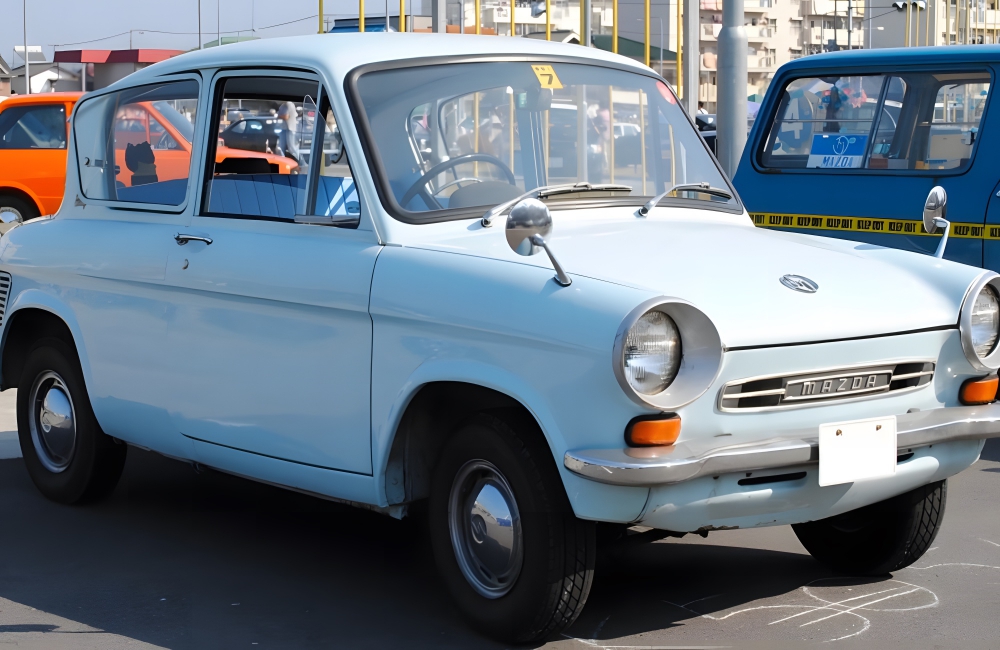
Mazda Carol ©Ypy31/Wikimedia
Over the years, the Carol has been equipped with a variety of engine types, from a diminutive 360cc engine in its early years to more recent 660cc powertrains, often coupled with modern technologies for improved fuel efficiency.