
Autonomous Underwater Vehicles (AUVs) have brought amazing technological development into the field of underwater research. These advanced robotic technologies are transforming our knowledge of marine operations, scientific study, and ocean depths. From underwater surveillance to deep-sea discovery, these autonomous submarines epitomise maritime engineering and artificial intelligence. Examining the most modern AUVs worldwide, this thorough guide highlights their novel features, ground-breaking capacity, and transforming effect on underwater operations and oceanographic research.
1. Hydrus by Advanced Navigation

Featuring an artificial intelligence-powered navigation system and enhanced sonar capabilities, the Hydrus marks a milestone in small AUV design. Though under 7 kg, this Australian-engineered wonder provides professional-grade underwater imagery and data collecting. Its 4K video capabilities and clever obstacle avoidance mechanism make it perfect for scientific study, aquaculture inspection, and reef monitoring. At depths of 3,000 meters, the vehicle can run for up to 4 hours; its user-friendly interface lets one rapidly deploy it and feed real-time data. Easy sensor integration and maintenance made possible by the modular design of the Hydrus makes it a flexible tool for both commercial uses and research environments.
2. Boeing Echo Voyager
One monument to autonomous underwater endurance is Boeing’s Echo Voyager. Driven by a hybrid rechargeable power system, this 51-foot-long boat can run months without surface support. Its amazing 8 tonnes payload capacity allows it to carry research tools and advanced sensor arrays. The Echo Voyager uses cutting-edge autonomous navigation systems and a special autonomous charging system to surface regularly and run diesel generators, therefore replenishing its batteries. Its strong communication package guarantees continuous connection with operation centres by including underwater acoustic messaging and satellite uplink capabilities.
3. Kongsberg HUGIN Superior
Among Kongsberg’s esteemed AUV family, the HUGIN Superior marks the most recent development. This advanced platform offers great operational range together with outstanding navigational precision. It offers until unheard-of seafloor mapping resolution using synthetic aperture sonar and multibeam echo sounders. While its depth rating of 6,000 meters qualifies the vehicle for deep-sea exploration, its sophisticated battery technology allows missions lasting up to 100 hours. The modular architecture of the HUGIN Superior makes it flexible for several mission profiles from environmental monitoring to offshore energy infrastructure inspection by allowing customising with alternative sensor packages.
4. Odyssey VII by Woods Hole Oceanographic Institution
With its remarkable depth capabilities of 11,000 meters, which lets it reach the ocean’s lowest places, the Odyssey VII pushes the frontiers of deep-sea research. Using pressure-resistant ceramics and cutting-edge composite materials, this technical wonder can sustain pressures far above 1,000 atmospheres. Chemical analysers, sub-bottom profilers, and multi-beam sonar among other highly precise sensors make up the vehicle’s suite. Its innovative thruster arrangement gives remarkable manoeuvrability in difficult deep-sea settings, while its autonomous decision-making system lets it modify mission parameters depending on real-time data analysis. An indispensable instrument for deep-ocean research and exploration, the modular payload bay of the Odyssey VII can hold up to 100 kg of specialist scientific equipment.
5. Autosub Long Range (ALR) by National Oceanography Centre
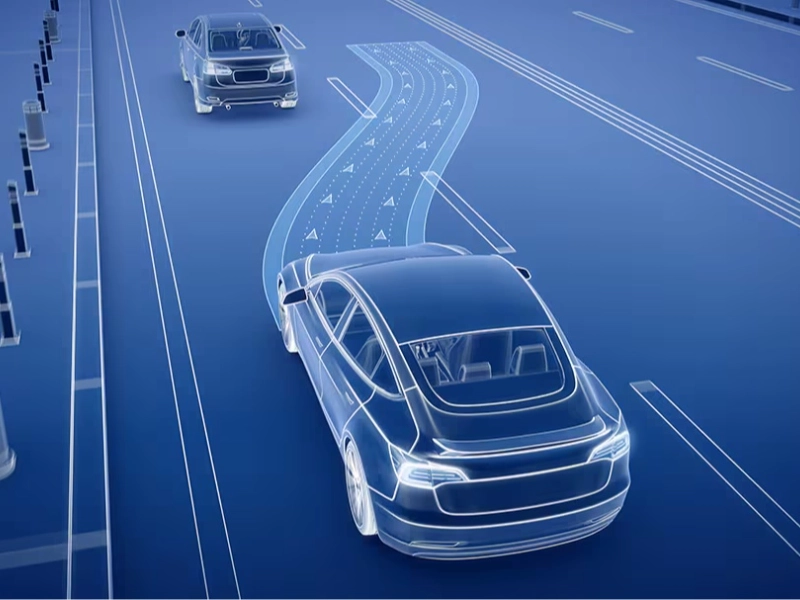
Dubbed “Boaty McBoatface,” the Autosub Long Range marks a revolution in long-term undersea missions. Operating for up to six months, this British-engineered AUV can cover 7,500 kilometres on one charge. Its low energy consumption revolutionary propulsion system makes long deployments in far-off ocean areas possible. Along with acoustic Doppler current profilers for ocean current research, the ALR’s comprehensive sensor suite consists in conductivity, temperature, and depth sensors. The innovative navigation system guarantees exact positioning even on long-term operations under ice, and the carbon fibre design of the vehicle guarantees robustness while preserving buoyancy economy.
6. Bluefin-21 by General Dynamics
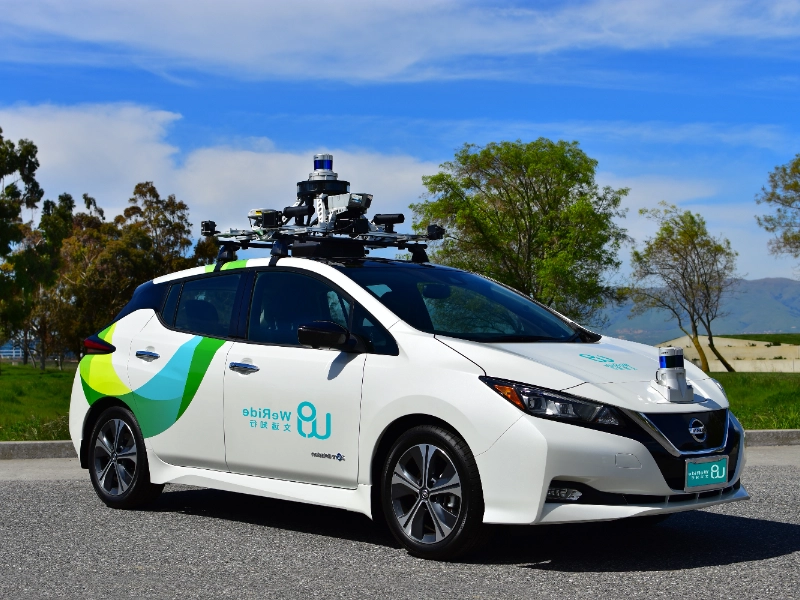
With its modular construction and exceptional acoustic capabilities, the Bluefin-21 epitribes sophisticated military-grade AUV technologies. Operating at depths up to 4,500 meters, this 16-foot vehicle shines on deep-water survey operations. Its sophisticated inertial navigation system guarantees exact location, and its advanced lithium-polymer battery system runs up to 25 hours. Among the other payload choices available on the AUV are synthetic aperture sonar, side-scan sonar, and video cameras. Military uses as well as commercial undersea surveys have chosen it because of its strong build-ability and dependability.
7. REMUS 6000 by Hydroid
Designed for long operations at great depths, the REMUS 6000 is the height of deep-ocean survey capability. Operating for up to 22 hours and diving to 6,000 meters, this advanced AUV Its sophisticated sensor set consists in photographic imaging systems, sub-bottom profiling, and dual-frequency side-scan sonar. For exact underwater placement, the vehicle’s precision navigation blends inertial systems with acoustic positioning. While its automated launch and recovery system reduces operating hazards, the modular design of the REMUS 6000 lets fast mission modification possible.
8. Gavia by Teledyne Marine
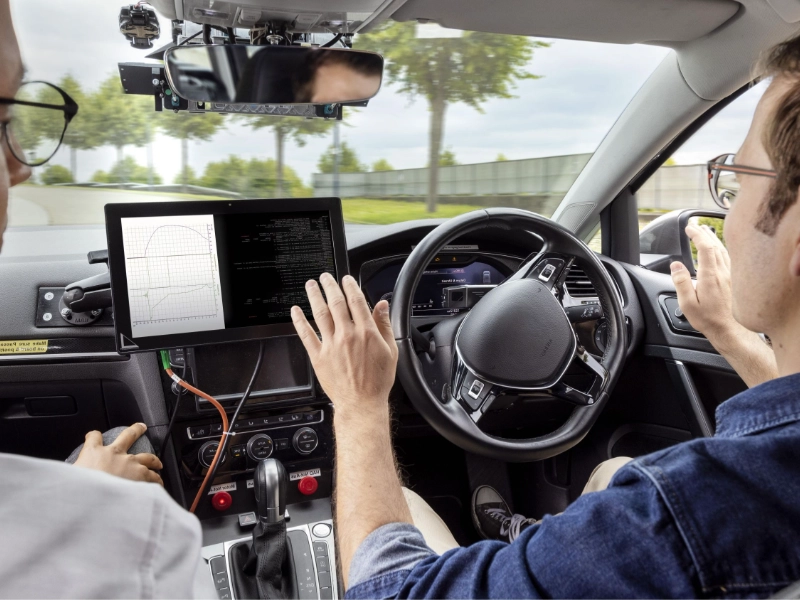
The Gavia AUV exhibits remarkable adaptability on a small platform. From environmental monitoring to mine countermeasures, this modular system can be set-up for different missions. Its 1,000-meter depth rating qualifies for continental and coastal shelf activities. The Gavia has GPS and DVL-aided inertial navigation among other sophisticated navigation and positioning systems. Its intuitive control software streamlines mission planning and execution; its hot-swappable battery modules provide rapid turnaround between missions.
9. SeaExplorer by Alseamar

With its creative glider design, which combines energy-efficient wave propulsion with conventional AUV capability, the SeaExplorer sets itself apart Covering lengths more than 1,000 km, this hybrid method allows missions lasting up to three months. Sophisticated payload bay of the vehicle allows several sensors for oceanographic research, including acoustic monitoring tools and CTD sensors. Its special design makes it perfect for underwater acoustic investigations and studies of marine mammals since it permits almost silent operation.
10. MUNIN by Atlas Elektronik

In underwater autonomy, the MUNIN AUV stands for modern German engineering. Underwater surveillance and mine countermeasure missions especially shine on this flexible platform. While its complicated navigation system guarantees exact positioning in challenging underwater settings, its modern sonar systems offer high-resolution imaging capabilities. The vehicle’s depth rating of 3,000 meters and up to 24-hour endurance fit several commercial and military uses. Although MUNIN’s automatic target identification technologies improve operational efficiency, its modular architecture lets quick mission reconfiguration possible.
 zi ang