

5. Radar-Based Detection Systems
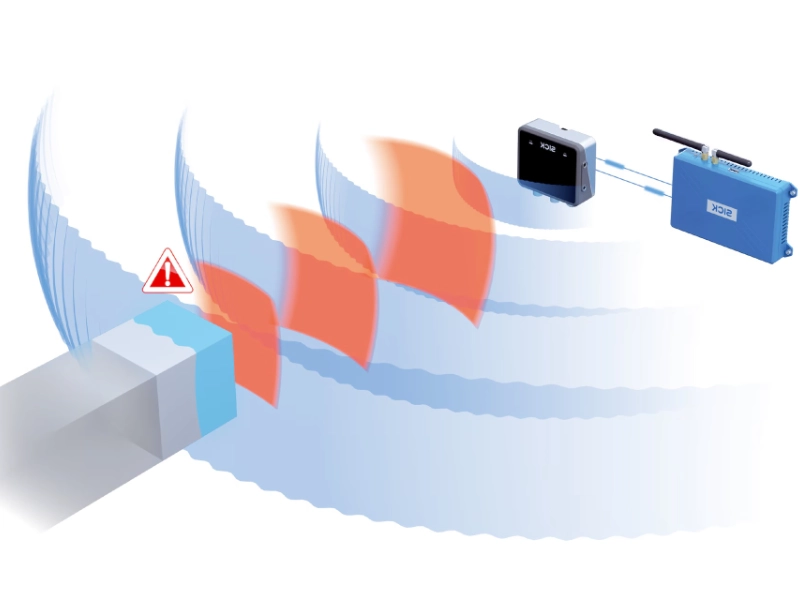
Emerging as a key component in drone anti-collision systems, millimeter-wave radar technology provides exceptional performance in challenging environments. Even in rain, snow, or deep fog, these devices can sense objects up to 100 meters away. Operating at frequencies between 24 and 77 GHz, modern drone radar systems offer outstanding resolution while keeping small size and low power consumption. Recent advances have greatly enhanced the radar’s capacity to precisely identify several kinds of obstacles and ascertain their velocity vectors. The technique guarantees consistent detection of possible collision hazards by including sophisticated signal processing algorithms able to filter ground clutter and other environmental interference. Working in unison, several radar systems cover the drone completely spherically, therefore removing blind areas.
6. Autonomous Emergency Maneuver Systems

A major advancement in drone collision avoidance are advanced autonomous emergency manoeuvre systems. When collision hazards are sensed, these systems use advanced algorithms to determine and carry out ideal evasive motions. The technology can calculate the best escape path in milliseconds and concurrently handle several threat situations. Recent developments have enhanced the capacity of the system to take environmental factors and aircraft performance constraints into account while developing evasive actions. Predictive modelling is used in the technology to forecast the movement of dynamic obstacles and proactively modify flying trajectories. Maintaining stability and control all through the manoeuvre, these systems have shown the capacity to safely avoid collisions even in difficult situations involving several moving obstacles.
 zi ang