
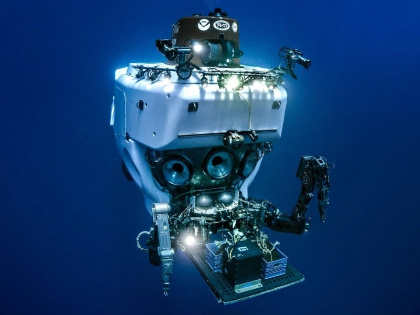
2. The Autonomous Underwater Vehicle (AUV): Robotic Explorer of the Deep
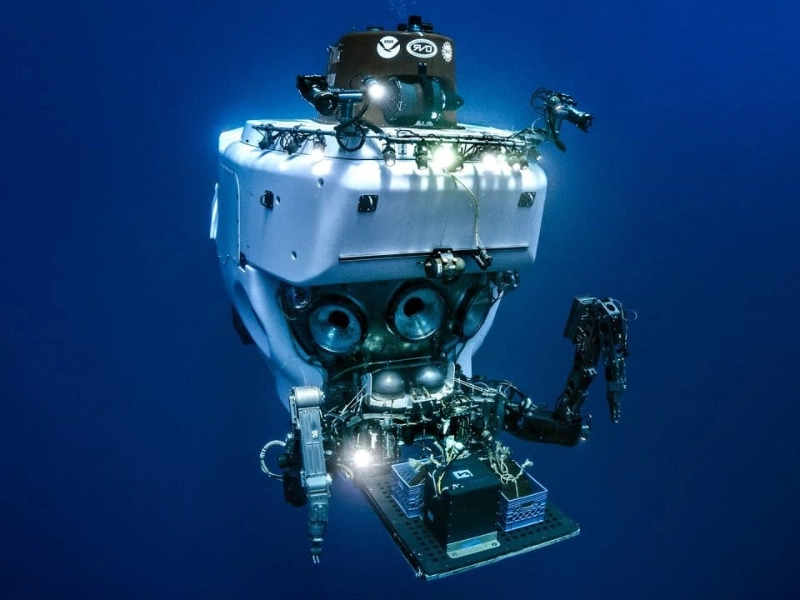
By providing a self-guided, unmanned means of oceanic exploration, autonomous underwater vehicles (AUVs) have transformed undersea reconnaissance. Programmed to follow particular pathways, gather data, and return to the surface without human involvement, these torpedo-shaped robots can With its many sensors, cameras, and sampling tools, AUVs can compile a wealth of data regarding water chemistry, marine life, and underwater terrain. AUVs offer one of the most important benefits in that they can run for long stretches—sometimes weeks or even months—without surface support. For long-term observation projects and investigating far-off underwater habitats, their endurance makes them perfect. Based on real-time data processing, advanced AUVs can negotiate challenging underwater terrain, avoid hazards, and change their mission parameters. AUVs’ adaptability has resulted in their acceptance in military reconnaissance, environmental monitoring, and oil and gas exploration as well as other domains. AUVs’ capabilities are growing as battery technology and artificial intelligence keep developing; they can dive deeper, stay underwater longer, and automatically handle increasingly complicated data sets. AUV success in underwater reconnaissance has opened the path for fresh discoveries and a better knowledge of the large marine areas of our globe.
 zi ang