
4. The Forgotten Third Buddha: An Unexpected Discovery
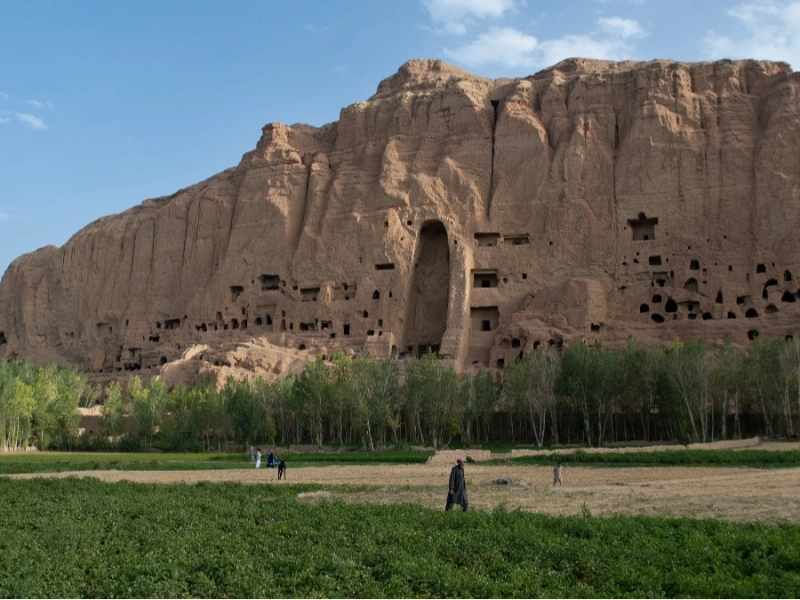
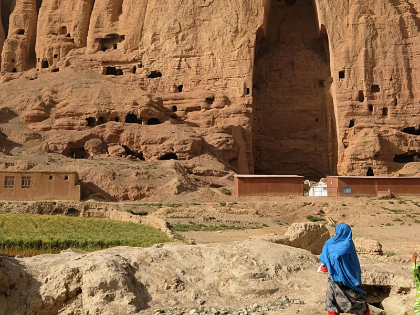
In a turn of events that enthralled the field of archaeology, late 1990s researchers came discovered evidence implying the presence of a third, hitherto unidentified Buddha monument in the Bamiyan Valley. Combining ancient books, local tales, and modern archaeological methods, this revelation disproved long-held beliefs about the place and opened new directions for enquiry.
The first hints came from historical records, particularly the words of Xuanzang, a 7th-century Chinese pilgrim who detailed three Buddha sculptures at Bamiyan: two major ones that matched the recognised images and a third, lesser Buddha seated. For millennia, this narrative was written off as either a myth or a citation to a monument lost to time. But the prospect of a third Buddha started to look more likely when scientists started to pay greater attention to local legend and do more extensive geographical studies.
Archaeologists extensively surveyed the Bamiyan cliff face and the environs using cutting-edge geophysical methods like ground-penetuating radar and magnetometry. These searches produced interesting findings: data anomalies pointed to the existence of a huge, buried construction most likely the remains of the elusive third Buddha. Centuries of rockfall and sediment deposition partially covered the presumed site, between the two recognised monuments.
This revelation had massive ramifications. Should confirmation be verified, it will not only support the historical narratives but also offer fresh insights on the Bamiyan site’s layout and importance. Researchers surmised that the three Buddhas might have stood for several facets of Buddhist thought or distinct eras in the Buddha’s life, therefore creating a coherent spiritual story over the cliff face.
Still, the possible finding of a third Buddha also raised major difficulties. Further research was further hampered by Afghanistan’s political unrest and the Taliban’s later destruction of the two known monuments in 2001. The notion that this third monument, should it exist, could have been unintentionally preserved by burial adds even more urgency to the study activities.
The hunt for the third Buddha generated fresh curiosity in the Bamiyan site among academics as well as the common people. It underlined the point that there are still major secrets waiting to be discovered even at well-known archaeological sites. Particularly in areas impacted by violence, the possible discovery also poses significant issues regarding the preservation of cultural legacy and the obligations of the world society in safeguarding and researching such places.