
7. Proper Sock Selection
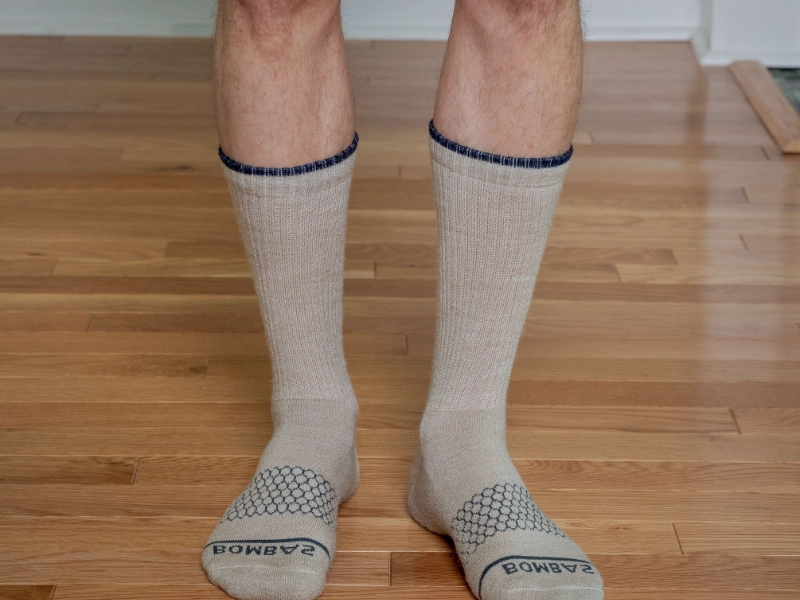
Many times, people undervalue the need of selecting appropriate socks for foot condition. Correct sock choice can greatly affect general health, foot comfort, and hygienic conditions. When selecting socks, give material first thought. Popular for their comfort and breathability, cotton socks also tend to retain moisture, which could cause blisters and fungal growth. Choose instead moisture-wicking fabrics such as synthetic blends meant for athletic wear, bamboo, or merino wool. These fabrics drive moisture away from the skin, so helping to keep your feet dry. Just as crucial is your socks’ fit. While excessively loose socks could bunch up and create blisters, too tight socks might impede circulation. Search for snug-fitting socks that won’t slip down throughout wear. Particularly for those with sensitive feet or diabetes, seamless socks—or ones with flat seams—can help avoid inflammation. Think through the activities you will be engaging in while choosing socks. For running or hiking, for instance, thicker, cushioned socks are best; thinner dress socks are appropriate for formal events. If you have certain foot problems, there are speciality socks available as cushioned socks for people prone to ulcers or compression socks for better circulation. If your feet often sweat, you should also change your socks everyday, or more regularly. This lessens the danger of foot odour and fungal diseases as well as helping stop bacterial growth. For people with sweaty feet, keep an additional pair ready or change socks midday. Layering thin socks might offer better insulation than one thick pair in colder months. Your choices of socks will help you to keep comfy, healthy feet.
 zi ang