
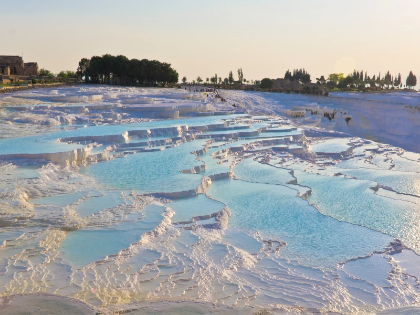
3. Cleopatra’s Ancient Pool
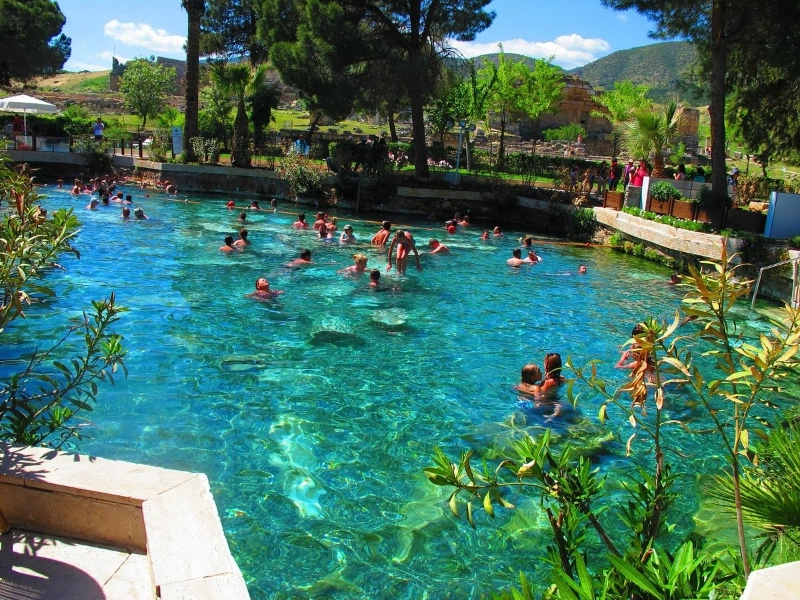
Nestled among Hierapolis’s remains, Cleopatra’s Ancient Pool is a thermal spring drawing bathers for millennia. Though historical data for this claim is scant, legend has it that the Egyptian queen Cleopatra herself preferred this bathing place. Whatever its royal ties, the pool is surely a highlight of every trip to Pamukkale. Swimming year-round is enjoyable in the glistening clean, mineral-rich waters since their temperature is usually about 36°C (96.8°F). The presence of old Roman columns and marble slabs buried in the water, relics of the earthquake that devastated most of Hierapolis in the 7th century AD, makes this pool really unusual. Swimming among these old ruins allows visitors to get an otherworldly sensation of bathing in past times. Rich in calcium, magnesium, and other minerals, the water is said to offer healing effects for rheumatic disorders and certain skin ailments. After seeing the ancient site, the pool is the ideal place to unwind and refresh surrounded by beautiful gardens and contemporary conveniences including café and changing rooms. Although there is a charge to use the pool area, many guests feel the special experience is well worth the expense. Warm, comforting waves combined with the physical presence of old history produce an amazing experience that captures the beauty of Pamukkale.
4. The Hierapolis Archaeological Museum
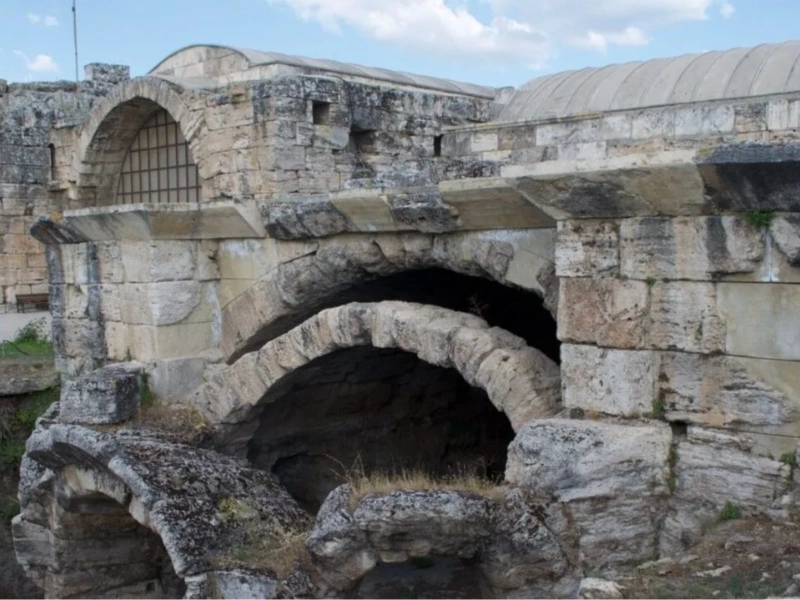
A must-visit for anyone looking to learn more about Pamukkale’s rich past is the Hierapolis Archaeological Museum. Nestled among the historic Roman baths of Hierapolis, the museum itself provides evidence of the area’s past. From the Bronze Age to the Byzantine era, the collection exhibits a great range of objects unearthed in Hierapolis and the environs. You will come across finely carved sarcophagi, beautiful jewellery, coins, and sculptures reflecting the everyday life, beliefs, and artistic triumphs of the ancient people of this area as you meander throughout the museum’s hallways. The collection of sculptural works in the museum is one of its centrepieces; among them are really remarkable statues of gods and emperors. A noteworthy collection of inscriptions and epitaphs housed in the museum also offers important insights on the political and social framework of ancient Hieropolis. Especially fascinating is the segment on the local cult of Cybele, the Anatolian mother goddess, which clarifies the religious customs of the ancient city. The site of the museum in the rebuilt Roman baths gives the experience more historical background so that guests may value the objects housed inside the very buildings that were once a major focus of Hierapolis everyday life. Both casual tourists and history buffs will find the Hierapolis Archaeological Museum a great source since it presents a whole picture of the rich cultural legacy of the area with carefully chosen exhibits and educational displays.